
Gas vs. Electric Vehicles: The True Cost of Ownership Comparison
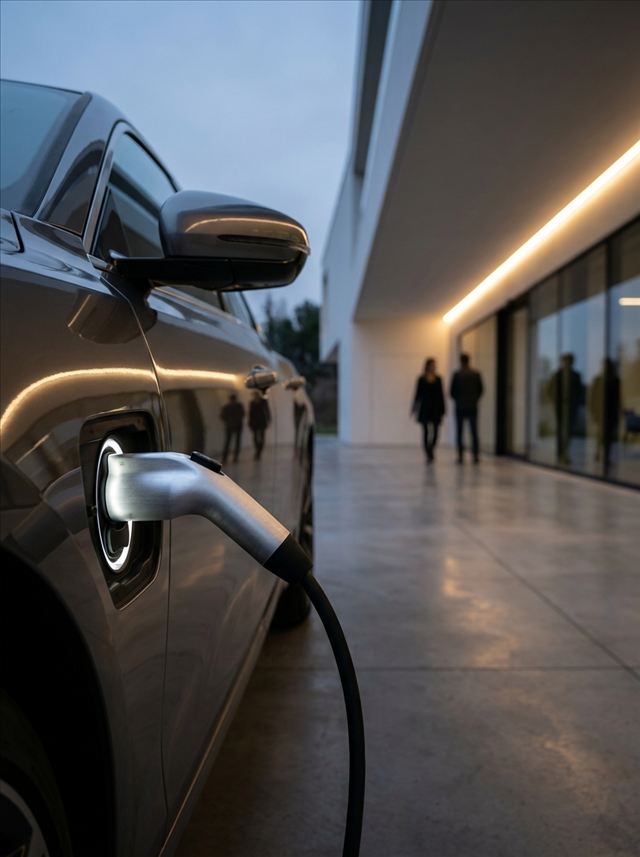
Electric vehicles (EVs) promise lower operating costs, but higher purchase prices confuse buyers. Understanding total cost of ownership over 5-10 years reveals the real financial picture.
Purchase Price Gap
Comparable vehicles often show $8,000-$15,000 price premiums for EVs:
- Honda Civic: $25,000 vs. Honda Clarity (discontinued): $34,000
- Ford F-150: $35,000 vs. Ford F-150 Lightning: $50,000
- Hyundai Kona: $22,000 vs. Hyundai Kona Electric: $34,000
However, federal tax credit ($7,500 for many EVs) plus state incentives ($1,000-$5,000) significantly reduce this gap.
Fuel Costs: The EV Advantage
Gas Vehicle (30 MPG):
- 12,000 miles annually ÷ 30 MPG = 400 gallons
- At $3.50/gallon = $1,400/year
Electric Vehicle (3.5 miles/kWh):
- 12,000 miles ÷ 3.5 = 3,429 kWh
- At $0.14/kWh = $480/year
- Savings: $920/year
Over 10 years: $9,200 in fuel savings
Use a gas vs. electric calculator to compare costs for your specific driving patterns and electricity rates.
Maintenance Costs
Gas Vehicle Annual Maintenance:
- Oil changes (2-3 per year): $200
- Engine air filter: $40
- Spark plugs (every 3 years): $50/year average
- Timing belt/chain (every 100k miles): $30/year average
- Transmission service: $150 every 30k miles = $60/year
- Total: ~$380/year
Electric Vehicle Annual Maintenance:
- Tire rotation: $80
- Cabin air filter: $30
- Brake fluid flush (less frequent due to regen braking): $20/year average
- Total: ~$130/year
- Savings: $250/year
Over 10 years: $2,500 in maintenance savings
EVs have far fewer moving parts (no oil, transmission, spark plugs, timing belts, exhaust systems) resulting in dramatically lower maintenance.
Battery Replacement Reality
The biggest EV fear is battery replacement costs ($5,000-$15,000). However:
- Most manufacturers warranty batteries 8 years/100,000 miles
- Real-world data shows minimal degradation (Tesla Model S averages 90% capacity at 200k miles)
- Battery costs are dropping 20% yearly
- Many EVs reach 200k+ miles on original batteries
Brake Longevity
Regenerative braking (using the motor to slow down, capturing energy) dramatically reduces brake wear. Many EV owners see brake pads lasting 100,000+ miles vs. 30,000-50,000 in gas cars.
Depreciation Differences
EV depreciation has been volatile:
- 2015-2018: Fast depreciation (30-50% in 3 years)
- 2019-2022: Moderate depreciation (25-35% in 3 years)
- 2023+: Stabilizing as EVs become mainstream
Gas vehicle depreciation: 20-30% in 3 years, 60% in 10 years
Insurance Costs
EVs often cost 10-20% more to insure due to:
- Higher purchase prices
- Expensive battery repairs after accidents
- Fewer repair shops qualified for EV work
However, some insurers offer EV discounts. Get quotes for both options before deciding.
Home Charging Installation
Level 2 home charger installation: $500-$2,000 depending on:
- Distance from electrical panel
- Panel capacity upgrades needed
- Permit fees
- Electrician rates in your area
Many utilities offer rebates ($250-$500) for installing EV chargers.
Total Cost of Ownership: 10-Year Example
Gas Vehicle (Honda Civic):
- Purchase: $25,000
- Fuel (10 years): $14,000
- Maintenance: $3,800
- Total: $42,800
Electric Vehicle (similar EV):
- Purchase: $35,000
- Federal tax credit: -$7,500
- State incentive: -$2,000
- Net purchase: $25,500
- Home charger install: $1,000
- Electricity (10 years): $4,800
- Maintenance: $1,300
- Total: $32,600
EV saves $10,200 over 10 years
Break-Even Timeline
With typical savings ($1,200/year combined fuel + maintenance), you break even on higher EV purchase price in 3-5 years.
Calculate your specific scenario using an auto cost calculator with your mileage, electricity rates, and gas prices.
Non-Financial Considerations
EV Advantages:
- Instant torque (quick acceleration)
- Quiet operation
- Home charging convenience
- HOV lane access in some states
- Lower emissions
EV Disadvantages:
- Range anxiety for long trips
- Charging infrastructure still developing
- Longer “refueling” time
- Cold weather range reduction
Who Should Buy EV?
EVs make financial sense if you:
- Drive 12,000+ miles annually (maximize fuel savings)
- Have home charging capability
- Rarely take road trips over 200 miles
- Can afford higher purchase price
- Plan to keep vehicle 5+ years
Who Should Stick with Gas?
Gas vehicles make sense if you:
- Drive under 8,000 miles annually (fuel savings minimal)
- Rent or cannot install home charging
- Frequently take long road trips
- Need maximum towing capacity
- Live in extreme cold climates
The Plug-In Hybrid Alternative
Plug-in hybrids (PHEVs) offer middle ground:
- 20-50 miles electric-only range (covers daily commutes)
- Gas engine for long trips
- Smaller battery = lower purchase price than full EV
- Federal tax credit eligible
Financial Planning Integration
Before committing to any vehicle purchase:
- Calculate total cost of ownership over your planned ownership period
- Verify your monthly budget can handle the payment
- Ensure your overall financial obligations leave room for car expenses
- Build emergency fund for unexpected repairs
The “best” choice depends on your driving patterns, charging access, budget, and how long you keep vehicles. Run the numbers specific to your situation rather than accepting marketing claims.